

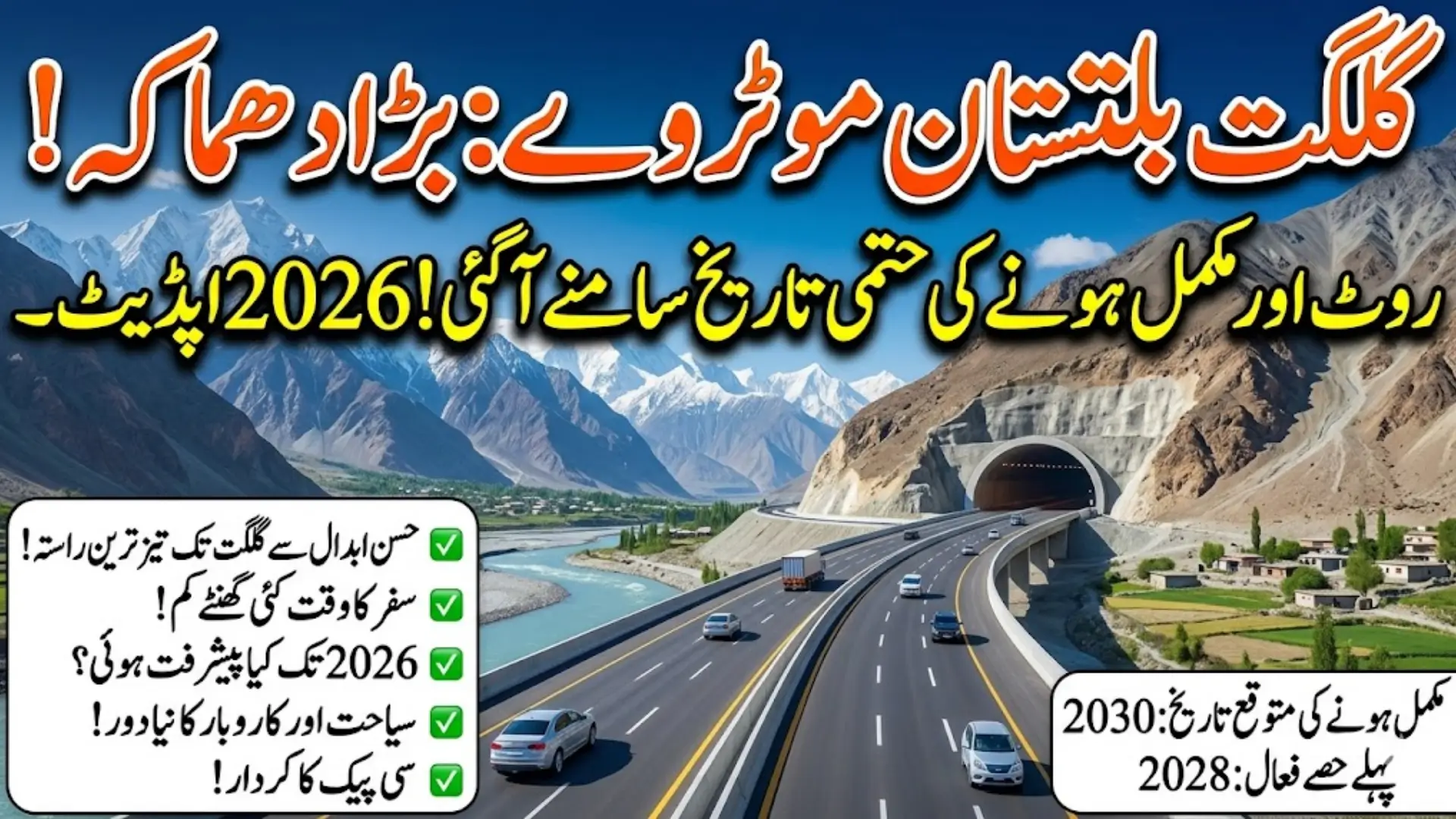
Gilgit-Baltistan Motorway Project
Gilgit-Baltistan Motorway Project is being described as one of the most important infrastructure developments in Pakistan’s recent history. For years, people traveling to northern areas have faced long hours on narrow and risky roads. From personal observation and reports coming from the region, it is clear that this project is not just about building a road, but about changing how people travel, live, and do business.
This motorway is part of a broader national vision to connect remote areas with major cities through modern infrastructure. Gilgit-Baltistan, known for its mountains and natural beauty, has always remained somewhat isolated due to difficult terrain. With this motorway, the government aims to bring the region closer to the rest of Pakistan, making travel faster, safer, and more reliable for ordinary citizens.
You Can Also Read: Punjab Public Safety App Simple Steps
Latest Progress and Development Status (2026 Update)
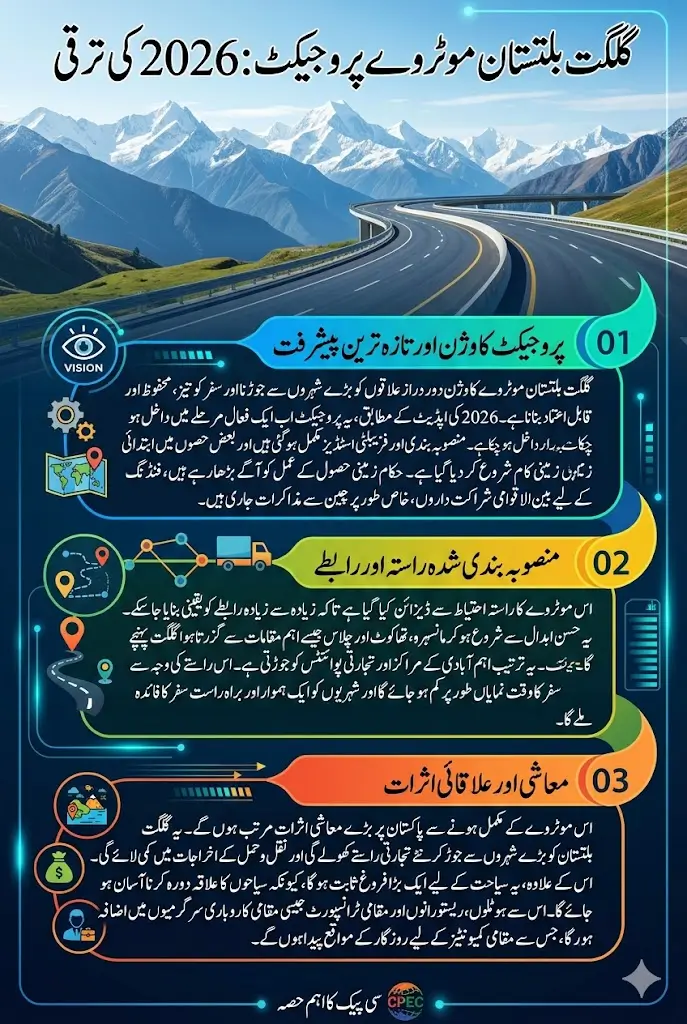
As of 2026, the Gilgit-Baltistan motorway project has entered a more active phase. Officials have confirmed that planning and feasibility studies are complete, and initial groundwork has already started in selected sections. Field surveys have been conducted, and land acquisition processes are moving forward gradually.
Another important development is the involvement of international partners. Discussions with China and other stakeholders are ongoing, particularly regarding funding and technical expertise. Environmental impact assessments have also been finalized, which shows that authorities are taking long-term sustainability seriously.
Key developments so far include:
- Formal approval from federal government authorities
- Completion of feasibility studies and planning phase
- Ongoing land acquisition and route surveys
- Environmental impact assessments finalized
- Negotiations with international investors for funding
You Can Also Read: Change Profession Pakistani Passport Simple Process Explained
Planned Route and Key Connectivity Points
The route of the Gilgit-Baltistan motorway has been carefully planned to ensure maximum connectivity. It will begin from Hasan Abdal and move northwards, passing through important areas such as Mansehra, Thakot, and Chilas before reaching Gilgit. This alignment is strategic because it connects key population centers and trade points.
From a practical perspective, this route will reduce travel time significantly. People who currently spend long hours on difficult roads will benefit from a smoother and more direct journey. The motorway will also align with parts of the existing road network, but with major upgrades in design and safety.
Route Overview Table
| Segment | Key Location | Importance |
|---|---|---|
| Start Point | Hasan Abdal | Connection with national motorway network |
| Mid Section | Mansehra | Major urban link in KPK |
| Mountain Entry | Thakot | Gateway to northern terrain |
| Upper Region | Chilas | Strategic stop before Gilgit |
| Final Destination | Gilgit | Administrative and economic hub |
Engineering Design and Infrastructure Features
Constructing a motorway in Gilgit-Baltistan is not a simple task. The region’s geography includes high mountains, deep valleys, and unpredictable weather conditions. Engineers working on this project are using modern construction techniques to ensure safety and durability.
The motorway will include multiple lanes, strong protective barriers, and advanced drainage systems. Special attention is being given to tunnels and bridges, which are necessary to cross difficult terrain. These features will not only improve travel speed but also reduce the risk of accidents.
Important features of the motorway include:
- Multi-lane high-speed road design
- Construction of tunnels through mountains
- Strong bridges over rivers and valleys
- Safety barriers and emergency response systems
- Weather-resistant construction materials
You Can Also Read: Pak Suzuki Bike Installment Plan Available
Economic Advantages for Pakistan
The economic impact of this motorway will be significant. By connecting Gilgit-Baltistan with major cities, the project will open new trade routes and reduce transportation costs. This will benefit traders, farmers, and businesses across the country.
In simple terms, goods that once took days to transport will now reach markets much faster. This efficiency will increase profits and encourage more business activity. It will also help integrate northern areas into the national economy more effectively.
Economic benefits include:
- Faster and cheaper transportation of goods
- Increased trade between regions
- Growth of local businesses and markets
- Improved access to national and international markets
Tourism Boost and Regional Development
Gilgit-Baltistan is one of the most beautiful regions in Pakistan, but tourism has always been limited due to accessibility issues. This motorway will make it easier for tourists to visit the region, leading to a major boost in tourism.
As more tourists arrive, local businesses such as hotels, restaurants, and transport services will grow. This will create a chain reaction of economic activity, benefiting thousands of families. Improved roads will also encourage international tourism, which is an important source of revenue.
Tourism-related improvements include:
- Easier and faster travel for tourists
- Development of hotels and guest houses
- Growth of local transport services
- Increased income for local communities
You Can Also Read: NADRA Announced New B-Form Issuance
Strategic and Regional Importance
The Gilgit-Baltistan motorway also holds strategic importance for Pakistan. It strengthens connectivity with northern borders and supports regional integration. Improved infrastructure always plays a key role in national security and development.
This motorway is also linked with long-term planning for regional trade routes. By improving access to northern areas, Pakistan can enhance its position in regional trade and connectivity.
Employment and Local Economic Impact
During construction, the motorway is already creating employment opportunities for local residents. Workers are being hired for various roles, including labor, engineering support, and logistics. This is helping improve income levels in nearby communities.
In the long run, the motorway will continue to create jobs through tourism, transport services, and small businesses. This will contribute to overall economic stability in the region.
Key employment impacts include:
- Job creation during construction phase
- Long-term business and service opportunities
- Skill development for local workforce
- Increased household incomes
Major Construction Challenges and Risks
Despite its benefits, the project faces several challenges. The mountainous terrain makes construction difficult and time-consuming. Landslides and earthquakes are constant risks in this region, which require careful planning and strong engineering solutions.
Weather conditions also play a major role. Heavy snowfall and extreme cold can slow down construction work. In addition, the overall cost of the project is quite high due to the complexity of the terrain.
Major challenges include:
- Difficult and uneven mountainous terrain
- Risk of landslides and natural disasters
- Harsh weather conditions affecting progress
- High financial and technical requirements
Project Timeline and Completion Expectations
The Gilgit-Baltistan motorway project is planned to be completed in multiple phases. This approach allows work to continue even in challenging conditions while ensuring steady progress.
According to current estimates, some sections may become operational by 2028. However, the full completion of the motorway is expected around 2030. These timelines depend on factors such as funding availability, weather conditions, and construction speed.
Role of CPEC in Project Development
The China-Pakistan Economic Corridor (CPEC) plays a major role in supporting infrastructure projects like this motorway. Through CPEC, Pakistan has received investment and technical assistance for road construction and development.
This motorway will strengthen connectivity between Pakistan and China, making trade faster and more efficient. It will also enhance economic cooperation between the two countries, which is important for long-term growth.
You Can Also Read: Petrol Price In Pakistan Today Decrease
Impact on Local Communities and Lifestyle Changes
For the people of Gilgit-Baltistan, this motorway will bring noticeable improvements in daily life. Access to hospitals, schools, and markets will become easier, saving both time and effort. This is especially important for remote areas where facilities are limited.
However, there are also concerns about environmental impact and cultural preservation. Authorities are working to ensure that development is balanced with sustainability, so that the natural beauty of the region is not harmed.
Positive community impacts include:
- Better access to healthcare and education
- Improved transportation and mobility
- Increased business and job opportunities
- Overall improvement in quality of life
Comparison with Existing Northern Road Network
At present, the Karakoram Highway is the main route connecting Gilgit-Baltistan with the rest of Pakistan. While it has served the country well, it has limitations in terms of safety and speed.
The new motorway will provide a modern alternative with better infrastructure, wider lanes, and improved safety features. It will reduce travel time significantly and offer a more comfortable journey for travelers.
Future Growth Opportunities After Completion
Looking ahead, the motorway is expected to bring long-term growth opportunities. It will attract investment, support trade expansion, and encourage development in nearby areas. Industrial zones and business hubs may also develop along the route.
This project is not just about transportation; it is about transforming the region into an economic and tourism hub. With better connectivity, Gilgit-Baltistan can play a bigger role in Pakistan’s overall development.
Final Thoughts
The Gilgit-Baltistan Motorway Project 2026 is a major step forward for Pakistan. It reflects the country’s commitment to improving infrastructure and connecting remote regions with the rest of the nation.
Although challenges remain, the long-term benefits are far greater. From economic growth to tourism development, this motorway will have a lasting impact. For the people of Pakistan, especially those living in northern areas, it represents hope, progress, and a better future.