


State Bank Of Pakistan Permits Banking
State Bank Of Pakistan Permits Banking Pakistan has finally taken a decisive step toward regulating the digital economy, and this move is being seen as one of the most important financial developments in recent years. The State Bank of Pakistan (SBP) has formally allowed licensed crypto and virtual asset companies to access banking services under the newly introduced Virtual Assets Act 2026. This decision is not just a policy update; it reflects a major shift in how the country views digital assets and financial innovation.
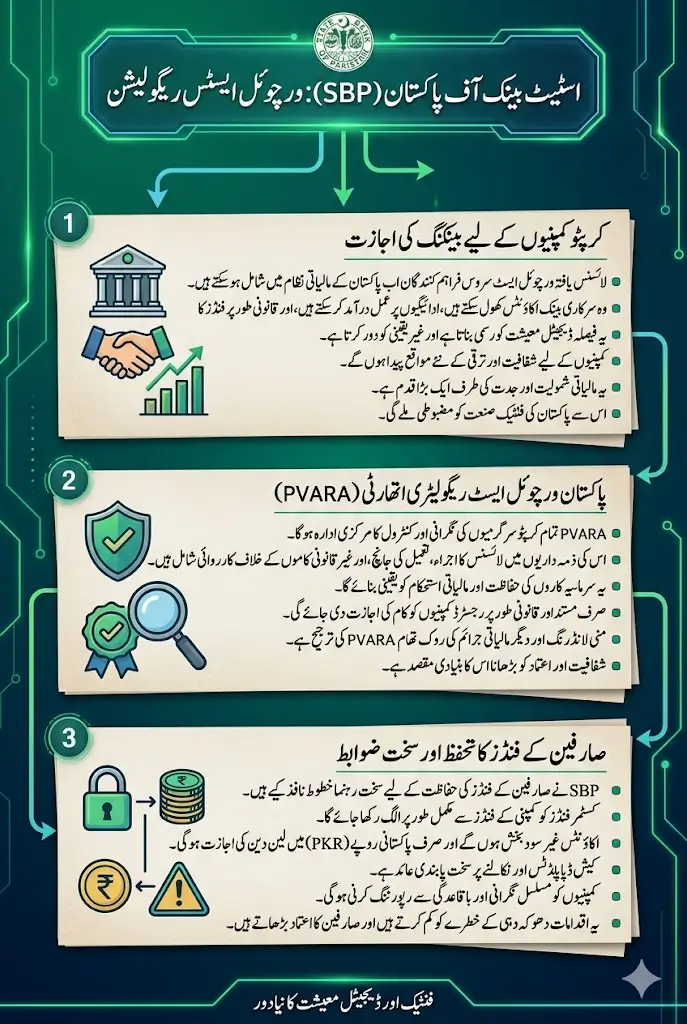
For a long time, crypto-related businesses in Pakistan operated in uncertainty. There was no clear legal structure, and banks were restricted from supporting such companies. As a result, many startups either shut down or moved abroad. Now, with this new framework, the government is trying to bring these businesses into the formal economy, where they can operate transparently and contribute to national growth. This is a strong signal that Pakistan is ready to adopt modern financial systems while maintaining control and security.
You Can Also Read: Will Petrol Also Be Cheaper
New Legal Framework for Digital Assets in Pakistan
The introduction of the Virtual Assets Act 2026 has created a structured legal environment for crypto and digital asset businesses. This law clearly defines how companies can operate, what rules they must follow, and how authorities will monitor their activities. For the first time, virtual assets are being treated as a regulated part of the financial system rather than an unrecognized or risky sector.
This change shows a shift in government thinking. Instead of banning or ignoring digital currencies, policymakers are now focusing on managing them responsibly. This approach allows innovation to continue while ensuring that risks are minimized. It also brings Pakistan closer to global standards, where many countries are already regulating crypto markets instead of restricting them.
You Can Also Read: NADRA New Job Openings in April 2026
Role of Pakistan Virtual Asset Regulatory Authority (PVARA)
To ensure proper implementation of this law, the government has established the Pakistan Virtual Asset Regulatory Authority (PVARA). This authority will act as the central body responsible for controlling and supervising all virtual asset-related activities in the country. Its role is critical in maintaining transparency and trust in the system.
PVARA is not just a regulatory body; it is the backbone of this new digital finance structure. It will ensure that only serious and compliant businesses enter the market. By doing so, it protects both investors and the overall financial system from misuse and instability.
Key responsibilities of PVARA include:
- Issuing licenses to crypto exchanges, wallet providers, and fintech firms
- Monitoring daily operations of registered companies
- Ensuring compliance with national laws and regulations
- Taking strict action against illegal or unregistered activities
- Maintaining a record of all authorized Virtual Asset Service Providers (VASPs)
You Can Also Read: 750 Prize Bond List 2026 Quetta 15 April Check
Banking Access for Licensed Crypto Companies
One of the biggest highlights of this policy is that licensed crypto companies can now open bank accounts in Pakistan. This includes exchanges, digital wallet providers, and other fintech platforms that are officially registered as VASPs. This step removes one of the biggest hurdles that these businesses faced in the past.
With access to the banking system, companies can now operate more efficiently and transparently. They can process payments, handle customer funds securely, and build trust with users. This will also encourage new startups to enter the market, as they will no longer fear sudden restrictions or lack of financial support.
This development will bring several advantages:
- Improved financial transparency for crypto businesses
- Increased trust among users and investors
- Easier payment processing and fund management
- Reduction in informal and risky financial practices
- Stronger integration of crypto with the national economy
You Can Also Read: Free Bus Service on 7 Routes In Attock Good
Strict Compliance and Licensing Requirements
While the government has opened the door for crypto businesses, it has also made it clear that only serious and compliant companies will benefit. Every company must obtain a proper license from PVARA before accessing banking services. This ensures that only legitimate businesses are allowed to operate.
Banks have been given strict instructions to verify the authenticity of each company’s license before onboarding them. This step is crucial in preventing fraud and ensuring that the system is not misused. Companies must also maintain transparency in their operations and follow all regulatory guidelines to keep their license active.
This strict approach creates a balance. It encourages growth but does not compromise on security or legal compliance. For Pakistan, this is an important step toward building a trustworthy digital financial system.
You Can Also Read: SNGPL Restricted Gas Supply To Six Hours Daily
Rules for Managing Customer Funds
To protect customers, SBP has introduced clear and strict rules regarding how funds should be handled. One of the most important requirements is that customer funds must be kept separate from company funds. This ensures that even if a company faces financial issues, customer money remains protected.
Another important aspect is that all accounts related to crypto businesses will be rupee-based and non-interest-bearing. Additionally, cash transactions are not allowed, which further reduces the risk of illegal activities. These measures are designed to bring transparency and accountability into the system.
| Feature | Description |
|---|---|
| Account Type | Separate accounts for customer funds |
| Currency | Pakistani Rupees (PKR) only |
| Interest | No interest will be given |
| Cash Handling | Cash deposits and withdrawals are not allowed |
| Purpose | To ensure transparency and customer protection |
Anti-Money Laundering and Risk Controls
The SBP has placed strong emphasis on preventing financial crimes such as money laundering and fraud. Banks are now required to follow strict monitoring procedures when dealing with crypto-related accounts. This ensures that illegal activities are detected and stopped at an early stage.
Financial institutions must conduct detailed checks before onboarding customers. They are also required to monitor transactions regularly and report any suspicious activity to authorities. This level of scrutiny may seem strict, but it is necessary to maintain trust in the system and protect the economy.
Important compliance measures include:
- Enhanced due diligence for all customers
- Continuous monitoring of transaction patterns
- Immediate reporting of suspicious activities
- Maintaining detailed transaction records
- Following national anti-money laundering laws
You Can Also Read: Punjab Biodiversity Corridors Establishment
Limitations on Banks’ Involvement in Crypto
It is important to understand that banks are not allowed to directly participate in crypto trading or investment. They can only provide services to licensed companies. This means banks cannot use their own funds or customer deposits to buy or sell digital assets.
This restriction has been put in place to reduce financial risk. By limiting banks to a service role, the SBP ensures that the traditional banking system remains stable. At the same time, crypto businesses can still operate and grow within a regulated environment.
This clear separation of roles helps maintain balance between innovation and financial security.
Impact on Fintech and Digital Economy
This new policy is expected to have a strong positive impact on Pakistan’s fintech sector. By providing legal clarity and banking support, the government is encouraging innovation and investment in digital finance. Startups that were previously hesitant may now enter the market with confidence.
The digital economy can grow rapidly under this framework. With proper regulation, Pakistan can attract international investors and become a competitive player in the global fintech space. This will also create new job opportunities and improve financial inclusion for the general public.
Some expected outcomes include:
- Growth of local crypto and blockchain startups
- Increased foreign investment in fintech
- Expansion of digital payment solutions
- Greater access to financial services for underserved populations
- Strengthening of Pakistan’s digital economy
You Can Also Read: Government Announces Fuel Support Package
Comparison with Previous Crypto Policy in Pakistan
In the past, Pakistan had a very restrictive approach toward crypto. There was no clear legal framework, and banks were not allowed to deal with crypto businesses. This created confusion and forced many companies to operate informally or move abroad.
The new policy represents a complete shift. It replaces uncertainty with clarity and restrictions with regulation. Businesses can now operate legally, and users can feel more secure when engaging with digital assets.
This transformation highlights how seriously Pakistan is taking the future of digital finance.
What This Means for the Future
Pakistan is now moving toward a regulated and structured digital financial system. This approach allows the country to benefit from innovation while minimizing risks. It also sends a strong message to the global market that Pakistan is open to modern financial technologies.
If implemented effectively, this system can strengthen the economy, improve transparency, and create new opportunities for growth. However, continuous monitoring and strict enforcement will be necessary to ensure long-term success.
You Can Also Read: Peshawar Class 11 Board Announces Exam
Conclusion
The State Bank of Pakistan’s decision to allow banking access for licensed crypto firms marks a historic moment in the country’s financial journey. It reflects a balanced approach that encourages innovation while maintaining strong safeguards.
For the average Pakistani, this means safer digital financial services and more opportunities in the growing fintech sector. While challenges may still exist, this new framework provides a solid foundation for the future of crypto and digital finance in Pakistan.